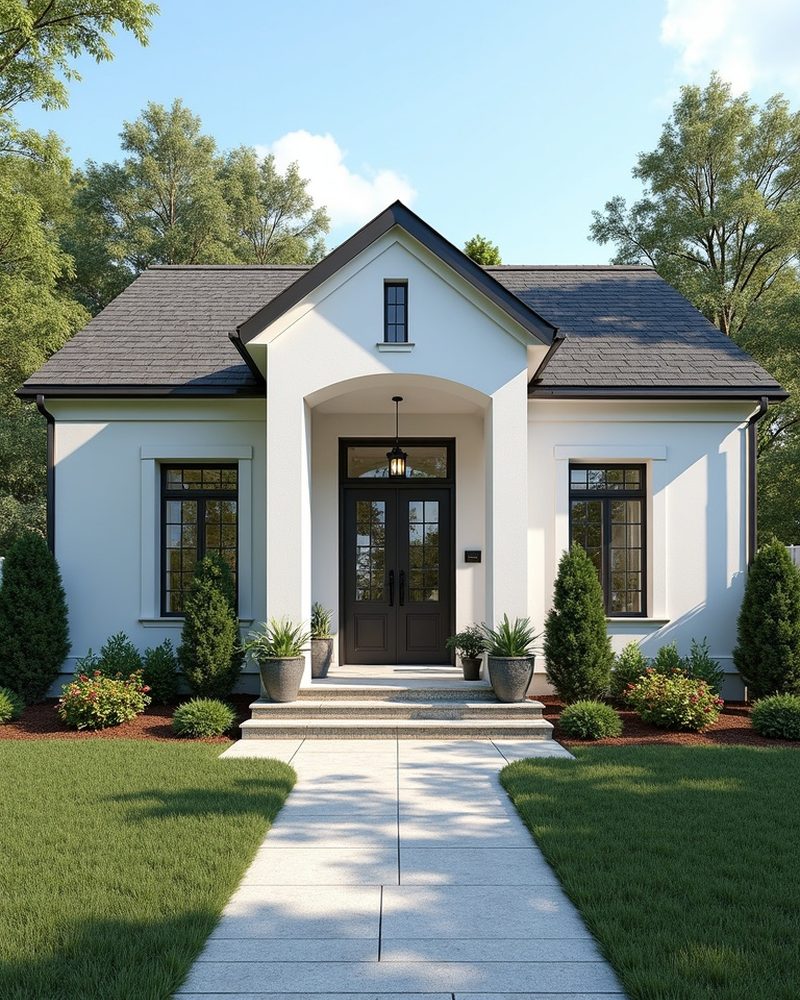
Deciding between a new construction home and an existing resale in Jackson County GA is one of the most impactful choices a buyer or seller will make. Each option has tradeoffs that affect price, timeline, customization, future resale value, and daily life. This guide breaks down the practical differences you’ll see in Jefferson, Hoschton, Braselton and surrounding areas so you can make a decision that matches your goals today and stays smart for years to come.
Why the choice matters locally
Jackson County neighborhoods vary from established subdivisions with mature landscaping to newer developments that are still building out. That mix creates different market dynamics: new builds may offer modern floorplans and builder incentives, while resale homes often sit on larger lots, have established trees and community character, and reflect prior owners’ updates. Understanding how those local differences affect price movement, buyer demand, and living experience will help you act with confidence whether you are buying or selling.
What new construction offers buyers
- Customization: Select finishes, layouts, and sometimes lot placement before the home is built. This is attractive if you want a contemporary floorplan or specific features like a dedicated home office or main-floor guest suite.
- Warranties and modern systems: New homes typically include builder warranties and up-to-date mechanicals, insulation, and energy-efficient appliances, which can lower short-term maintenance risk.
- Predictable move-in timing (when schedules hold): Builders provide an estimated completion date, which is useful for planning relocations even if delays happen sometimes.
- Incentives: Builder concessions, closing-cost assistance, and mortgage rate buydowns are common tools that can reduce initial costs.
What resale homes offer buyers
- Established neighborhood feel: Mature landscaping, completed amenities, and an already-set community culture give a clearer sense of daily life.
- Immediate occupancy and known performance: You can inspect how the home functions now — layout flow, sunlight patterns, traffic noise levels — rather than relying on plans and promises.
- Potential for value-adding improvements: Thoughtful updates and landscaping can increase resale value in neighborhoods where new inventory is limited.
- Room for negotiation: Depending on local inventory and the property condition, there may be more flexibility on price, closing date, and seller concessions.
What sellers should consider when competing with new construction
If new builds are active in your area, buyers will compare features like larger kitchens, modern master suites, and open-concept living. Sellers can stay competitive by highlighting what resale can't easily replicate: mature yard, privacy, unique architectural details, recent upgrades, and a history of low maintenance. Practical steps include a pre-listing inspection, modest targeted updates (lighting, fresh paint, curb appeal), high-quality photos and video, and flexible closing terms to match builders' convenience.
How appraisals, financing, and timing differ
- Appraisals: Appraisers rely on comparable sales. In areas where new construction dominates, comps can lag, which sometimes affects appraisal values for new or renovated properties. Working with an agent who understands local comparable trends prevents surprises.
- Financing: Builders may offer preferred lender packages; buyers of resale homes can shop multiple lenders and possibly secure better terms. For sellers
